

2023 Oregon Residential Specialty Code, Based on the 2021 IRC
The 2023 Oregon Residential Specialty Code is the low-rise residential‑dwelling specialty code based on the 2021 International Residential Code (IRC). The ORSC excludes electrical and plumbing provisions (which are handled by separate Oregon specialty codes), incorporates Oregon‑specific amendments, and is intended to modernize residential construction standards while aligning with Oregon’s regulatory and safety priorities.
$142.99
Book Overview
The 2023 Oregon Residential Specialty Code is Oregon’s specialty residential code for one‑ and two‑family dwellings (including townhouses), officially adopted October 1, 2023, and based on the 2021 IRC. It does not include electrical or plumbing provisions, which are handled separately under Oregon’s Electrical Specialty Code and Plumbing Specialty Code. The code is organized much like the IRC, covering Chapters 1 through 44 plus selected appendices. Chapter 1 (administrative, definitions, scope, enforcement) became effective and mandatory on October 1, 2023. The remaining chapters and appendices also became effective on that date but have a phase‑in period: from October 1, 2023 through March 31, 2024, building permit applications may comply with either the 2021 ORSC or the 2023 ORSC. After April 1, 2024, compliance with the 2023 ORSC is mandatory.
Key Aspects:
Scope and Applicability
- Applies to one- and two-family dwellings and townhouses not more than three stories in height.
- Regulates building, mechanical, and energy systems for residential structures.
- Does not include electrical or plumbing codes—these are covered under separate Oregon specialty codes.
Based on the 2021 IRC
- The 2023 ORSC adopts Chapters 1 through 24 and Chapter 44 of the 2021 International Residential Code (IRC).
- Oregon has amended these chapters to meet state-specific needs (e.g., wildfire protection, energy efficiency).
- The code excludes Chapters 25–43, which primarily cover electrical and plumbing content.
Wildfire and Energy Amendments
- Includes Oregon-specific code sections such as R327 (Wildfire Hazard Mitigation) for homes in wildfire-prone areas.
- Enhanced energy efficiency standards compared to the base IRC.
Structural and Safety Requirements
Includes comprehensive standards for:
- Foundation and framing
- Wind and seismic design (Oregon is a seismic-active state)
- Fire separation for townhouses
- Emergency egress (windows, exits)
Highlights: Effective Date and Transition Period
- Effective Date: October 1, 2023
- Phase-in Period: Through March 31, 2024, applicants can use either the 2021 or 2023 ORSC (except Chapter 1, which is mandatory immediately).
- Mandatory Compliance: Begins April 1, 2024
Adopted Appendices
Oregon has adopted the following appendices from the IRC:
- Appendix E: Manufactured Housing
- Appendix F: Radon Control Methods
- Appendix H: Patio Covers
- Appendix K: Sound Transmission
- Appendix R: Light Straw-Clay Construction
- Appendix S: Strawbale Construction
- Appendix U: Solar-Ready Provisions
- Appendix W: Fire-Resistant Construction (state-modified)
About ICC
International Code Council is a leading organization dedicated to developing a single set of comprehensive, coordinated national model construction codes. To date, 48 U.S. states have adopted various international codes from the International Code Council.
Other Works
Specifications
| Weight | 7 lbs |
|---|---|
| Dimensions | 13 × 9 × 8 in |
- Publisher: International Code Council
- Edition/Release Date: January 1, 2023
- ISBN:9781962103756
- Pages: 760
- Format: Softcover
- Target Audience: Professionals
Based on 0 reviews
Be the first to review “2023 Oregon Residential Specialty Code, Based on the 2021 IRC”
Related products
-
Business and Law, Construction, Industries, North Carolina, States
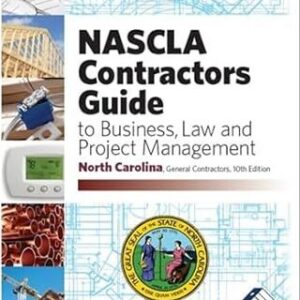
North Carolina – NASCLA Contractors Guide to Business, Law and Project Management, 10th Edition Spiral-bound
 Business and Law, Construction, Industries, North Carolina, States
North Carolina – NASCLA Contractors Guide to Business, Law and Project Management, 10th Edition Spiral-bound
North Carolina, Business and Project Management for Contractors, General Contractors edition is designed to provide an overview of business management subjects for general contractor examination candidates applying for a license from the North Carolina Licensing Board.
SKU: 9781948558389 -
Business and Law, Connecticut, Construction, Industries, States
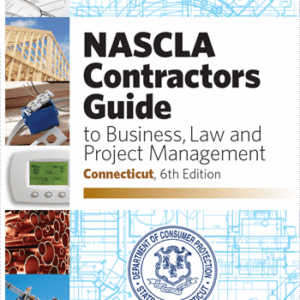
Connecticut Contractor Guide to Business and Project Management 6th Edition
 Business and Law, Connecticut, Construction, Industries, States
Connecticut Contractor Guide to Business and Project Management 6th Edition
- The Connecticut Contractor Guide to Business and Project Management 6th Edition is a comprehensive resource designed to assist contractors in understanding the legal and business aspects of operating in Connecticut. This guide is particularly useful for those preparing for the Connecticut Business and Law Examination.
SKU: 9781948558235

There are no reviews yet.